
When it comes to real vs fake 777 bonus offers, let’s start with the honest part.
If you searched about real vs fake 777 bonus offers, you weren’t casually browsing. Something triggered that second thought.
You might have seen a 777 skill-based game offer inside a Telegram group.
It promised ₹7,777 credited instantly.
The interface even looked polished — clean fonts, official-looking logos, screenshots of balances.
And yet… something didn’t quite align.
That hesitation is important. When it comes to real vs fake 777 bonus offers, hesitation is often the only early warning system users have.
Right now, both legitimate and fake 777 skill-based game offers are circulating online. Same number. Similar branding. Sometimes even similar website layouts. But very different structures behind the scenes.
As a site that covers this niche closely at Freebonus777.com, we’ve seen how easily imitation pages can mirror legitimate designs. It doesn’t take much to replicate colors and layouts. What’s harder to replicate is structure — proper documentation, transparent terms, secure systems, and consistent policy pages.
That’s where the real difference usually shows in the conversation around real vs fake 777 bonus offers.
This isn’t about hype. It’s not about discouraging participation in skill-based platforms. And it’s definitely not about fear.
It’s about understanding how these ecosystems work.
Skill-based gaming platforms operate within defined frameworks. They outline how rewards are earned, explain usage conditions, and maintain documented policies for transparency. When those elements are missing — or replaced with urgency and private chat instructions — that’s when the gap between real and fake becomes visible.
So before reacting to the headline number or the credit amount, it’s worth slowing down.
Not because every offer is fake.
But because the ones that are fake rely on speed.
Let’s break it down carefully.
What a 777 Skill-Based Game Offer Is Supposed to Be
On paper, it’s simple.
A 777 skill-based game offer is a promotional incentive tied to a platform where outcomes depend on user performance. Strategy. Decision-making. Practice. Skill.
The offer might include:
- Welcome credits
- Deposit match bonuses
- Tournament entry credits
- Limited-time promotional rewards
Nothing unusual.
But here’s what separates structured platforms from questionable ones.
Real promotions come with explanation.
You should see:
- Clear terms and conditions
- Defined eligibility rules
- Reward usage limitations
- Withdrawal procedures
- Privacy policy pages
If an offer skips these and jumps straight to “credit instantly” — that’s not clarity. That’s pressure.
Real vs Fake 777 Skill-Based Game Offers — The Real Difference
It’s not about the number 777.
It’s about transparency.
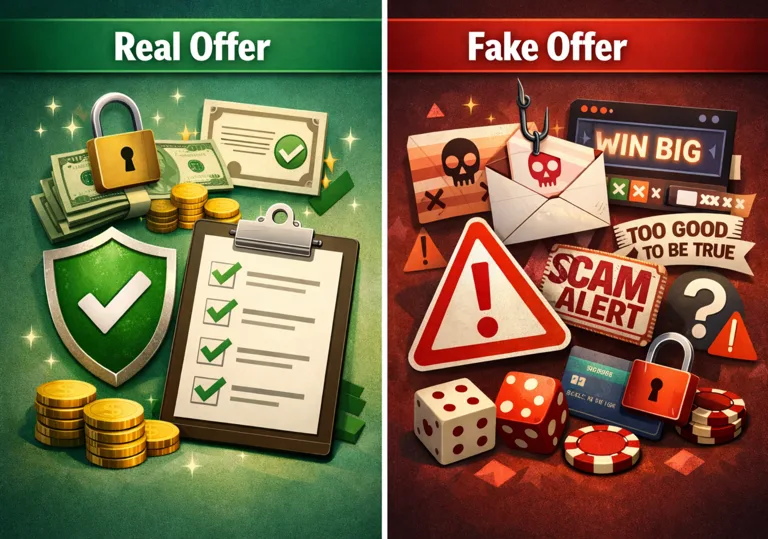
A legitimate offer usually:
- Exists on a proper website
- Uses HTTPS security
- Explains how rewards work
- Shows full policy pages
- Has a visible support structure
A fake offer often:
- Lives inside a Telegram group
- Avoids written terms
- Pushes urgency
- Requests payments through personal chats
- Shares APK files directly
Real platforms explain the system.
Fake ones try to bypass it.
And honestly? The rush is usually the giveaway.
The Small Details That Give Fake Offers Away
Scams don’t always look dramatic.
They look… almost right.
Here are common signs:
- “Instant ₹7,777 reward” without explaining conditions
- No official website link
- Only Telegram or WhatsApp communication
- No privacy policy
- No clear withdrawal rules
- Forced APK download
- Screenshots of wallet balances instead of real documentation
One sign alone doesn’t confirm anything.
But when multiple pieces feel off, they usually are.
Why Fake 777 Skill-Based Game Promotions Spread So Easily
It’s not complicated.
India is mobile-first.
Most users browse on Android.
Telegram links spread quickly.
Someone forwards a link.
Someone else clicks it.
No one pauses.
Scammers depend on speed.
They copy logos, use similar domain names, and mimic real website layouts.
It only has to look convincing for five seconds.
That’s often enough.
A Simple Side-by-Side View
Here’s a calm comparison — nothing dramatic.
| Feature | Real Offer | Fake Offer |
| Website | Official domain | Slightly altered or missing |
| HTTPS Security | Present | Sometimes absent |
| Terms & Conditions | Clearly written | Missing or vague |
| Reward Rules | Structured | Not explained |
| Support | Formal system | Telegram admin |
| App Download | Official source | External APK link |
| Privacy Policy | Available | Often absent |
Notice what stands out.
Structure.
Legitimate systems rely on structure. Fake ones rely on urgency.
The APK Issue — Especially for Android Users
This is where things get serious.
Many fake 777 skill-based offers include something like:
“App not available on Play Store. Download here.”
That “here” is usually an APK file.
Installing unknown APK files can:
- Access SMS messages
- Capture OTP codes
- Read contact lists
- Monitor financial apps
- Install hidden software
Android allows manual app installation. That flexibility is useful — but also risky.
If you are asked to download an app from Telegram or Google Drive, stop.
Real platforms don’t operate that way.
How to Actually Verify a 777 Skill-Based Game Offer
No technical background needed. Just patience.
1. Type the Website Manually
Don’t rely on forwarded links.
Open your browser and type the domain yourself. Even a small spelling difference can indicate a copied site.
Extra letters. Hyphens. Slight changes.
These are common tricks.
2. Look for HTTPS
Check for the lock icon in the address bar.
Click it. Make sure the connection is secure.
No lock? Don’t enter any details.
3. Read the Promotion Rules
Yes. Actually read them.
A legitimate skill-based platform will explain:
- How rewards are earned
- Any performance requirements
- How credits can be used
- Withdrawal conditions
- Account verification policies
Understanding wagering requirements and bonus conditions before participating can prevent confusion later.
4. Pay Attention to Tone
This part is subtle.
Real platforms usually sound structured. Clear. Slightly formal.
Fake promotions often sound urgent.
“Limited slots.”
“Only today.”
“Instant credit.”
That emotional push? That’s intentional.
5. Avoid Telegram-Only Transactions
If everything happens inside a chat window, that’s not a stable structure.
There should be:
- A proper website
- Policy pages
- Secure login system
- Documented support
If it’s just messages back and forth, think carefully.
What Usually Happens When Users Trust a Fake Offer
Reports often include:
- Deposits that never reflect
- Accounts suddenly blocked
- Withdrawal requests ignored
- Personal data misuse
- Device performance issues
Not dramatic. Just frustrating.
If you suspect you interacted with a fake promotion:
- Remove suspicious apps
- Run a security scan
- Change important passwords
- Monitor financial accounts
Do it calmly. Don’t panic.
A Final Thought
The difference between real and fake 777 skill-based game offers isn’t dramatic.
It’s quiet.
It’s in the structure.
The clarity.
The written rules.
Real platforms take time to explain.
Fake ones try to move fast.
If something feels rushed, pause.
Check the domain.
Check HTTPS.
Read the terms.
Avoid unknown downloads.
You don’t need to rush.
The internet moves quickly.
You don’t have to.
Frequently Asked Questions
No. Some platforms may run legitimate promotions. The issue is imitation. Fake promotions often copy branding to look real.
Because urgency reduces verification. When something feels time-limited, people skip careful review.
It carries risk. Always verify the source before installing any application.
Look for HTTPS in the address bar and the lock icon. Click it to review certificate details.
They allow rapid link sharing and less formal verification. That makes them convenient for spreading misleading promotions.