
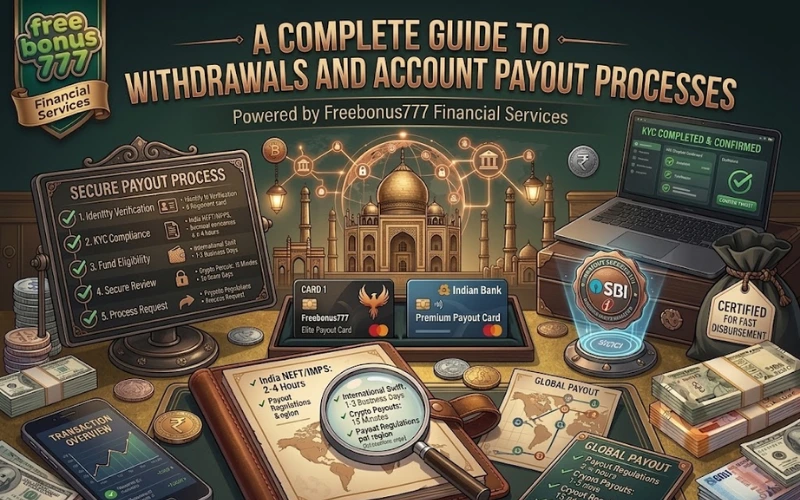
Moving money out of an online account should be simple, right? In theory, yes. In reality, it often takes a bit longer than people expect—and that’s where confusion usually starts.
If you’ve ever wondered why your withdrawal didn’t show up instantly or why it sat in “pending” for a while, you’re not alone. The good news is that there’s a clear reason behind it, and once you understand how the process works, it all makes a lot more sense.
This complete guide freebonus777 approach will walk you through everything in a practical, easy-to-follow way—without overcomplicating things.
So, What Is a Withdrawal?
At its core, a withdrawal just means taking money from a platform and sending it somewhere you control—like your bank account or a digital wallet.
Simple enough. But what many people don’t realize is that the money doesn’t move the second you click “withdraw.” There’s a short chain of checks that happens first.
Most platforms review the request, confirm it’s really you, and only then allow the transfer to go through. That entire sequence is what people refer to as the payout process.
Ways You Can Withdraw Your Money
Different platforms offer different options, but you’ll usually see a few familiar ones.
Bank Transfer
This is probably the most common method. It’s steady and reliable, though not always the fastest. Depending on your bank, it might take a couple of days.
E-Wallets
These are popular for a reason—they’re quick. In many cases, funds show up the same day, sometimes even within a few hours.
Debit or Credit Card
Some platforms let you send money back to your card. It’s convenient, but timing can be a bit unpredictable.
Online Payment Services
These act like a middle step between your account and your bank. They’re useful if you want a bit more flexibility in how you move your money around.
What Actually Happens After You Click Withdraw
This is the part most people never really think about.
First, you submit your request—amount, method, and all that. Then comes verification. If your account isn’t fully set up, this is where you might get asked for documents or confirmation.
After that, your request gets reviewed. It’s not always manual, but there’s still a system checking for anything unusual. Once everything clears, the platform starts processing the payment.
The final step is the easiest to understand—the money lands in your account, and you get notified.
It sounds like a lot when you spell it out, but it usually runs quietly in the background.
Why Withdrawals Don’t Always Happen Instantly
This is probably the number one frustration.
The truth is, speed depends on a mix of things. The method you choose plays a big role—e-wallets tend to be quicker, while bank transfers take longer.
Timing matters too. If you submit a request late in the day or over the weekend, it might not even begin processing until the next business day.
And then there’s verification. If your account hasn’t been fully confirmed, that alone can slow things down.
So when a withdrawal takes a bit longer, it’s usually not random—there’s almost always a reason behind it.
Fees: The Part No One Likes Talking About
Let’s be honest—fees are annoying, especially when you didn’t expect them.
Some platforms charge a fixed amount per withdrawal. Others take a small percentage. And if currency conversion is involved, that can add another layer of cost.
It’s not always expensive, but it’s enough to notice. That’s why it’s worth checking beforehand instead of being surprised afterward.
If you’re exploring reward-based platforms, understanding how bonuses work can make a difference. For example, learning more about welcome bonus structures in apps can help you avoid confusion when it comes to withdrawal conditions.
How Safe Are Withdrawals?
Short answer: generally very safe.
Most platforms build in multiple layers of protection—things like two-factor authentication, encrypted transactions, and identity checks.
From a user’s side, though, a lot comes down to basic habits. Using a strong password, avoiding public Wi-Fi when accessing your account, and double-checking your details before submitting a request all make a difference.
Security isn’t just built into the system—it’s also how you use it. If you want to better understand how platforms handle user data and safety, reviewing pages like the privacy policy can give you more clarity and confidence.
Common Problems (and How to Avoid Them)
Even when everything looks fine, things can still go wrong occasionally.
A delay is the most common issue. Usually, it’s tied to verification or processing times. Making sure your account is fully verified ahead of time helps more than people expect.
Another easy mistake is entering the wrong details. It sounds minor, but it can completely stop a transaction. Taking an extra few seconds to review your info can save a lot of hassle.
And then there are minimum withdrawal limits. These don’t always get noticed until someone tries to withdraw a smaller amount and can’t.
A Few Simple Tips That Actually Help
You don’t need to overcomplicate things to have a smooth experience.
Set up and verify your account early. Stick to payment methods you trust. Keep an eye on your transactions so you know what’s going on.
And maybe most importantly—don’t wait until the last minute if you need the money by a certain time.
These aren’t big changes, but they make the process feel a lot more predictable.
Why Understanding This Matters More Than You Think
It’s easy to treat withdrawals as just another feature, but they’re actually one of the most important parts of any platform that handles money.
When you understand how things work, you’re less likely to panic when there’s a delay or confusion about fees. You know what’s normal and what isn’t.
That alone makes the whole experience feel more reliable.
Final Thoughts
Withdrawals and payout processes aren’t complicated—they just have a few steps built in for security and accuracy.
Once you get used to how it all works, it becomes second nature. You’ll know which methods are faster, what to expect in terms of timing, and how to avoid the usual issues.
And in the end, that’s really the goal—not just moving your money, but doing it in a way that feels smooth, safe, and predictable.
Frequently Asked Questions (FAQs)
To speed up withdrawals, make sure your account is fully verified, choose faster payment methods like e-wallets, and avoid submitting requests during weekends or holidays.
A pending status usually means your request is still under review. This can happen due to security checks, incomplete verification, or high processing volumes.
No, not always. While some methods can be instant, others—especially bank transfers—can take a few business days depending on the platform and your location.
Yes, many platforms set minimum and maximum withdrawal limits. These limits vary, so it’s important to check the platform’s guidelines before making a request.
If you notice a mistake, contact customer support immediately. In some cases, transactions can be stopped or corrected if they haven’t been processed yet.