
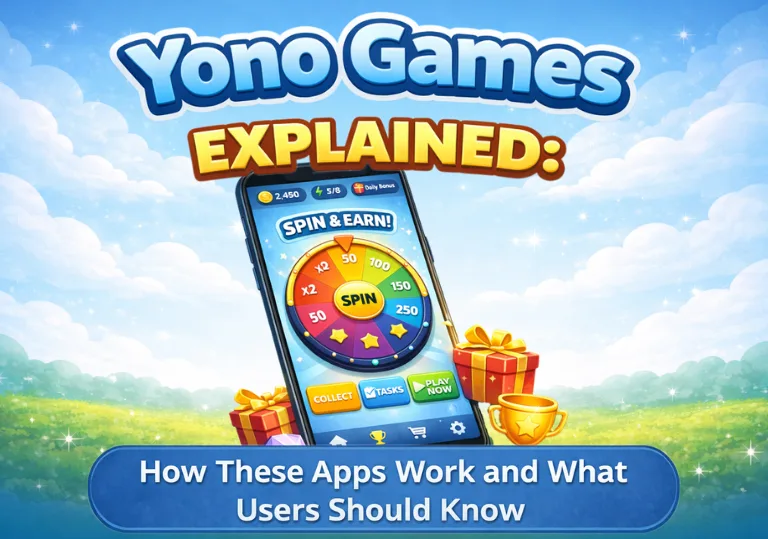
Some mobile apps are built around familiar design patterns rather than complex onboarding flows. Instead of lengthy tutorials or animated walkthroughs, they rely on simple layouts and clearly labeled sections that are easy to navigate. Apps commonly described as Yono Games – style mobile apps follow this general approach. Users typically encounter basic menus and straightforward screens during initial exploration, allowing them to understand core functions without extensive guidance. Actual features and mechanics may vary depending on the specific app and regional availability.
These apps are often discovered through informal channels such as shared links, community mentions, or personal recommendations. Because of this, users may encounter them without detailed background information, making it useful to understand their general structure and usage before engaging further.
This article is intended purely for informational purposes. It does not promote or discourage use, nor does it make any claims regarding outcomes, rewards, or performance. The focus is on explaining common design characteristics and typical user interactions.
What Yono Games Means in Practice
Yono games is not the name of one specific app. It’s a general term people use to describe a group of mobile apps that follow similar design patterns.
These programs are mostly small and easy to use. They don’t rely on storylines, competition, or advanced controls. Instead, they focus on short conversations that can happen during short breaks during the day. You launch the app, do something basic, and then close it again.
That ease of use affects how people utilise the software. It also explains why these apps are so easy to understand right away.
Why These Apps Feel Familiar So Quickly
One reason Yono Games apps are easy to use is that they follow interface patterns that people are used to. Most of the time, the primary screen is clear. The most important activities are in the middle. Secondary options stay out of the way.
Users rarely need instructions because the design itself suggests what to do next. This lowers the learning curve, but it also encourages people to move quickly. Many users tap through screens without reading labels or settings, simply because everything looks obvious.
That habit feels harmless at first, but it can lead to small misunderstandings later on.
How Yono Games Apps Are Typically Structured
Although individual apps may look slightly different, most follow a similar structure.
After a brief setup process, users land on a main dashboard. This screen acts as the center of the app. Nearly all interactions start here. The layout usually stays the same every time the app is opened, which helps build routine and familiarity.
Additional sections may exist, such as activity areas or account settings, but they are usually secondary. Nothing feels buried. The app is designed so users can return repeatedly without needing to relearn how it works.
Guides like this are part of a wider collection of neutral mobile app explanations published on Freebonus777.com, where the focus stays on structure and everyday usage rather than promotion.
What “Gameplay” Looks Like in Yono Games
Despite the name, gameplay in these apps is not about skill or strategy. There are no levels to master and no techniques to practice.
Interaction is simple. A tap leads to an animation. A short pause leads to visual feedback. The process repeats without much variation. Everything is designed to be understood instantly.
This approach makes the apps accessible to people who may not think of themselves as gamers. There’s no pressure to perform well or learn rules. The experience stays light and predictable.
The Role of Timing and Waiting Periods
Timing plays a quiet but important role in how these apps are used.
Certain actions are often limited by time. After performing them, users may need to wait before repeating the same action. This design encourages brief visits spread throughout the day rather than long sessions.
You get used to this rhythm over time. Users start to check the app without really thinking about why some actions are not available.
You can also find more mobile app guides on our webpage that explain interaction patterns in simple terms.
Notifications and User Awareness
Notifications are another subtle part of the experience. They are usually short and informational, letting users know when something inside the app has refreshed or changed.
While this is common behavior for mobile apps, it’s still worth reviewing notification settings early. Allowing every alert by default can lead to more interruptions than expected. Adjusting these settings gives users more control over how often the app reaches out.
Understanding Visual Counters and Indicators
Many Yono Games apps display numbers, icons, or progress bars. These elements draw attention quickly, but they are easy to misunderstand.
In most cases, these visuals represent activity inside the app itself. They provide feedback and structure, not guarantees or outcomes beyond the app. Treating them as informational rather than meaningful results helps keep expectations realistic.
Permissions, Data, and Basic Awareness
Like most mobile apps, Yono Games apps request standard permissions. This often includes internet access, notifications, and limited device information.
While this is normal, taking a moment to review permissions can still be helpful. Even a brief look at the privacy information can clarify what data is collected and how it is used.
The same careful, step-by-step approach appears in other informational articles published on Freebonus777.com, especially when explaining app permissions.
Common Misunderstandings Users Have
Because the interface feels simple, users sometimes assume everything works automatically. Visual indicators may appear more important than they actually are. Features can seem permanent when they are not.
In reality, most elements exist to guide interaction within the app. They are part of the design language, not promises of outcomes.
Addressing these small misunderstandings is a recurring theme across articles found on the Freebonus777 homepage, where clarity is prioritized over excitement.
Performance and Device Considerations
On modern smartphones, these apps usually run smoothly. Still, performance can vary depending on storage space, background apps, and internet stability.
If an app feels slow or unresponsive, basic steps often help. Restarting the app, updating it, or closing other applications can make a noticeable difference. Because interactions are short, even small delays stand out.
Updates and Ongoing Changes
Yono Games apps may change over time. Updates can adjust layouts, remove sections, or introduce new ones. This is a normal part of mobile app development.
When something looks different after an update, checking the app store’s update notes often explains why. Change does not usually signal a problem.
Who Yono Games Are Best Suited For
Yono games tend to suit users who prefer simplicity. They work well for people who like short interactions, familiar layouts, and minimal learning curves.
They are not designed for deep engagement or long sessions. Understanding that early helps align expectations.
Final Thoughts
Yono games don’t rely on complexity to hold attention. They rely on familiarity, repetition, and ease of use. Everything about their design encourages short, predictable interactions.
For some users, that simplicity feels comfortable. For others, it may feel repetitive. Neither reaction is wrong.
What matters is understanding how these apps work, what their visuals represent, and how timing shapes usage. With that awareness, users can approach the experience calmly and realistically.
Sometimes, clarity is enough.
Frequently Asked Questions About Yono Games
Yono Games is a general term used to describe mobile apps that follow a similar design approach. These apps are usually simple, easy to navigate, and built around short interactions rather than complex gameplay.
Yes. Most Yono Games apps rely on familiar layouts and clear buttons. New users can usually move through the app without needing instructions or prior experience.
No. These apps are designed for brief sessions. Some actions may only be available at certain times, which encourages users to return later rather than stay inside the app.
Counters and visual indicators usually reflect activity within the app’s internal system. They are meant to provide feedback, not represent real-world outcomes.
Yes. Like most mobile apps, Yono Games apps may update their layout, features, or navigation. These changes are normal and often part of routine updates.
General Reminder:
This content is not financial or legal advice. Users should review applicable terms, age requirements, and local regulations before participating.