
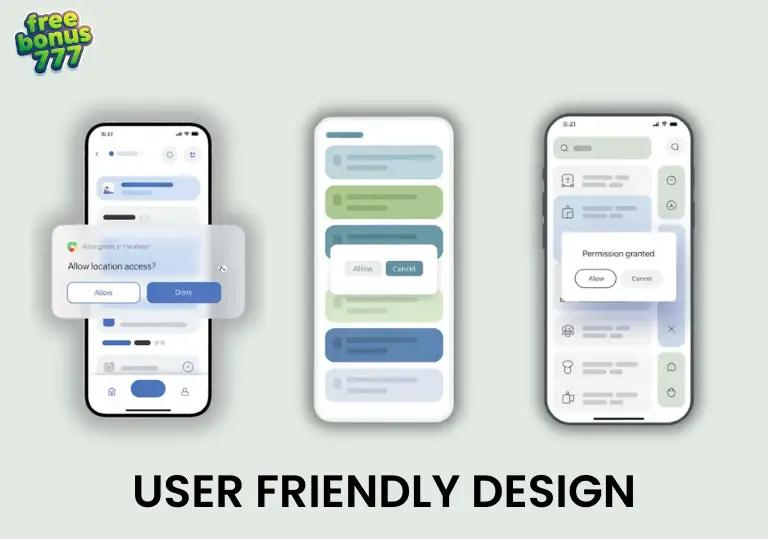
User-friendly design is about how easy it is for people to comprehend and use a system, including 777 platforms, when they need to. Instead of how it looks or how many features it has, it focuses on clarity, predictability, and visible feedback.
User-friendly technologies in digital environments, such as those used across 777 systems, make actions easier to grasp without needing to know anything beforehand or get instructions. This method works on all devices, platforms, and in everyday situations.
What User-Friendly Means in Practice
A user-friendly system explains itself by its structure and behavior in real life. Labels are clear. Actions lead to expected results. Messages appear when they are relevant.
Rather than asking users to learn how a system works, user-friendly design adapts to how people naturally interact. This lowers the effort required to complete tasks and reduces confusion during common actions.
Clarity as a Core Principle
For systems to be easy to use, they need to be clear. The information is written in simple English, and technical phrases are only used when they are needed and are explained in context.
Clear systems make it easier to understand. People don’t have to guess what a button does or what will happen next. Interactions feel more controlled than unsure.
Predictable Actions and Steadiness
User-friendly systems work the same way for identical actions. Over time, people become more confident when they see the same result to the same input.
Menus, confirmations, and system messages all follow patterns that are easy to spot. This predictability allows users to move through a system without repeatedly reassessing their choices.
Language and Feedback
Language plays an important role in usability. User-friendly systems rely on familiar wording rather than technical phrasing. Short sentences and direct explanations improve comprehension.
Feedback reinforces understanding. Confirmation messages, progress indicators, and visible changes in the interface signal that an action has been received and processed.
Usability and Accessibility in 777 Platforms
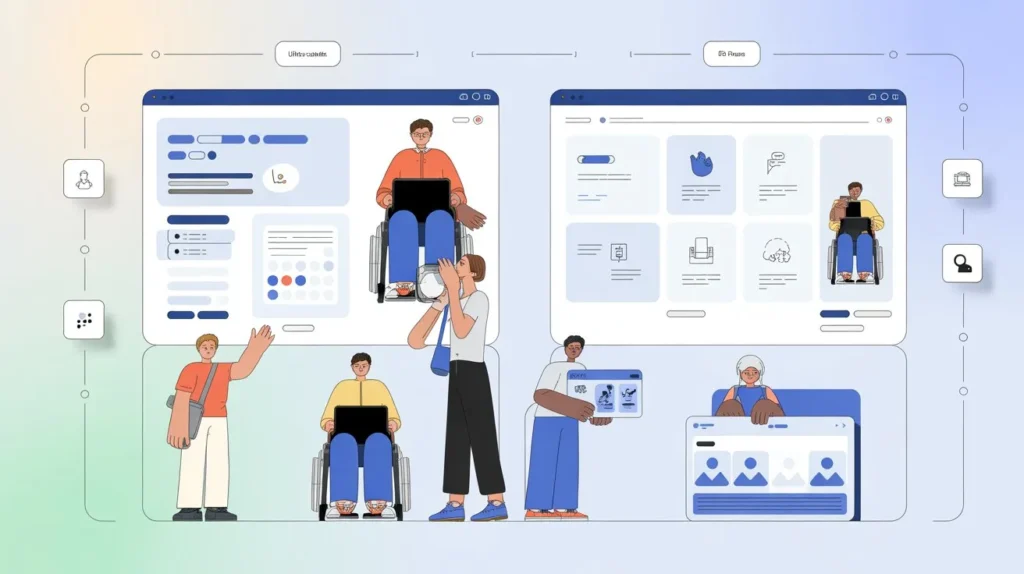
Accessibility is not a distinct layer; it is part of user-friendly design, including across 777 platforms. Text that is easy to read, layouts that can be changed, and enough contrast all help more people and situations.
When accessibility is thought upon early on, 777 technologies are easier to use in general. These choices benefit all users, not only those with specific needs.
Familiar Interaction Patterns
Most digital systems reuse established interaction patterns because familiarity reduces learning time. User-friendly design respects these conventions unless there is a clear reason to change them.
When new patterns are introduced, they are supported by clear cues so users can adjust without disruption.
Context and System Understanding
User-friendly design also benefits from contextual explanation. Some users want to know how different aspects of a system work together, especially when they are using multiple devices or platforms.
Resources that describe access behavior, system structure, and interaction logic assist people understand why they do what they do. Platform access guides and other informational resources show how systems are set up and utilized without telling people what to do.
Neutral Identifiers and References
Identifiers such as 777 may appear within systems as references or labels. On their own, they carry no meaning unless context is provided.
User-friendly environments ensure that such identifiers are explained where relevant, preventing confusion or misinterpretation.
When User-Friendly Design Is Most Noticeable
User-friendly design is most visible during moments of uncertainty, such as first-time use, error states, or system changes.
In these situations, clear language, visible options, and reversible actions help users proceed without hesitation.
Frequently Asked Questions
It means a system is easy to understand while it’s being used, without needing instructions.
No. A system can be complex underneath and still feel easy to use.
Because consistent behavior helps users feel confident and reduces mistakes.
No. It usually improves control by making actions and outcomes clearer.
Yes. As systems evolve, design choices adjust to maintain clarity and consistency.
Summary
User-friendly design emphasizes understanding over instruction. By prioritizing clarity, consistency, and feedback, digital systems become easier to navigate without reducing functionality.
This approach supports reliable interaction across platforms and use cases, allowing users to engage with systems confidently and predictably.